Choosing the Most Durable Siding for Your Home: Durable House Siding Insights

Selecting the right siding for your home is a critical decision. It affects your home's appearance, energy efficiency, and protection against the elements. Durability is a key factor, especially in regions with varied weather conditions. I will guide you through the options and considerations to help you choose the most durable house siding that fits your needs.
Understanding Durable House Siding Options
Durable house siding must withstand weather, resist damage, and require minimal maintenance. Here are some common siding materials known for their durability:
Fiber Cement Siding: Made from cement, sand, and cellulose fibers, this siding is fire-resistant, insect-proof, and can last over 50 years. It resists rot and warping, making it ideal for wet climates.
Vinyl Siding: Vinyl is affordable and low-maintenance. It resists moisture and insects but can crack in extreme cold or fade over time.
Metal Siding: Aluminum and steel sidings are strong and fire-resistant. They handle wind and hail well but may dent or rust if not properly coated.
Brick and Stone Veneer: These materials offer excellent durability and a timeless look. They require little maintenance and provide good insulation.
Wood Siding: While beautiful, wood requires regular upkeep to prevent rot, insect damage, and weathering. It is less durable than other options unless properly treated.
Each material has pros and cons. Your choice depends on your budget, climate, and aesthetic preferences.
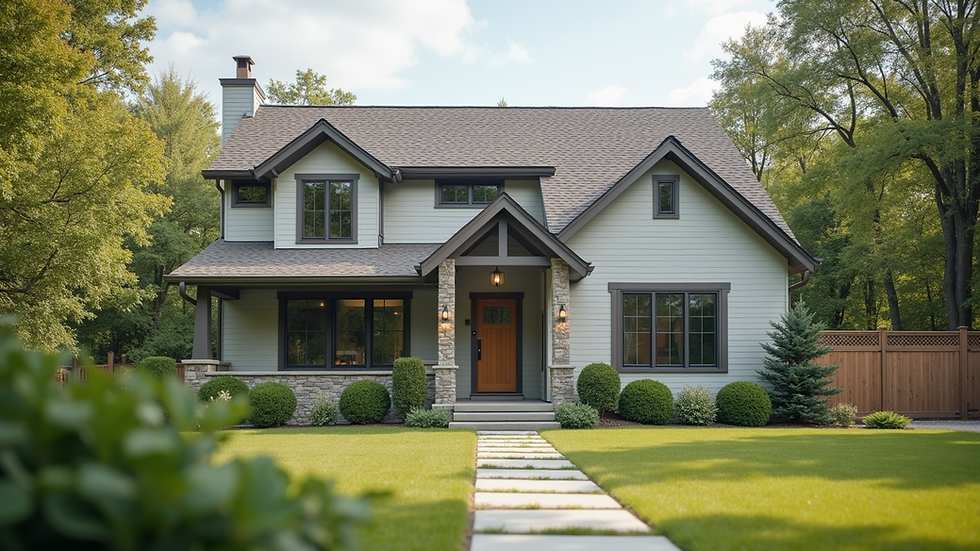
Factors to Consider When Choosing Durable House Siding
When selecting siding, consider these factors to ensure long-lasting performance:
Climate Resistance
Choose siding that withstands local weather. For example, fiber cement resists moisture and fire, making it suitable for rainy or wildfire-prone areas.
Maintenance Requirements
Some sidings need regular painting or sealing. Vinyl and metal require less upkeep, saving time and money.
Installation Quality
Proper installation is crucial. Poor installation can reduce siding lifespan regardless of material quality.
Energy Efficiency
Insulated siding options can improve your home's energy efficiency, reducing heating and cooling costs.
Cost and Longevity
Balance upfront costs with expected lifespan. Durable materials may cost more initially but save money over time.
Aesthetic Appeal
Choose siding that complements your home’s style and neighborhood.
By weighing these factors, you can select siding that meets your durability needs and enhances your home’s value.
What Siding to Avoid in a House Exterior?
Not all siding materials are created equal. Some are less durable and may cause problems down the line:
Asbestos Siding: Outdated and hazardous, asbestos siding should be avoided due to health risks.
Aluminum Siding (Thin Gauge): While metal is durable, thin aluminum siding dents easily and may fade.
Cheap Vinyl Siding: Low-quality vinyl can crack, warp, or fade quickly.
Unsealed Wood Siding: Untreated wood is vulnerable to rot, insects, and weather damage.
Stucco in Wet Climates: Stucco can crack and trap moisture if not properly installed or maintained, especially in rainy areas.
Avoiding these materials can prevent costly repairs and replacements. Always prioritize quality and suitability for your environment.
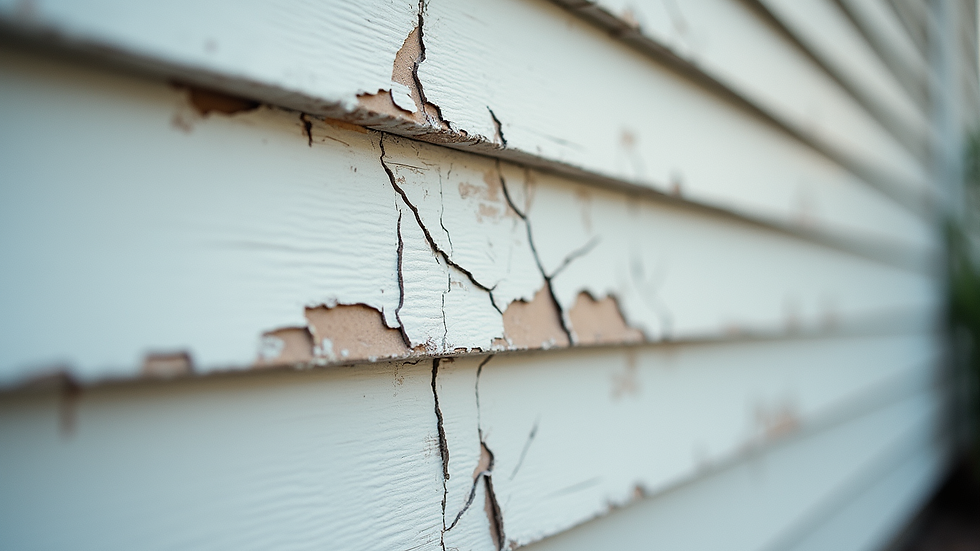
How to Maintain Durable Siding for Longevity
Even the most durable siding benefits from regular maintenance. Here are practical tips to extend your siding’s life:
Clean Regularly: Wash siding annually to remove dirt, mold, and mildew.
Inspect for Damage: Check for cracks, warping, or loose panels and repair promptly.
Repaint or Seal: For wood and fiber cement, repaint or reseal every few years to protect against moisture.
Trim Vegetation: Keep plants and trees away from siding to prevent moisture buildup and damage.
Check Gutters and Drainage: Ensure water flows away from your home to avoid siding water damage.
Routine care keeps siding looking good and performing well for decades.
Making the Final Decision on Your Siding
Choosing the right siding is a balance of durability, cost, and appearance. If you want to know what is the most durable siding for a house, fiber cement and brick are top contenders. They offer excellent resistance to weather, fire, and pests.
Consider your local climate and maintenance willingness. For example, fiber cement suits the Pacific Northwest’s wet conditions well. Vinyl siding offers a budget-friendly, low-maintenance option but may not last as long.
Work with experienced contractors to ensure proper installation. Quality workmanship is as important as the siding material itself.
Choosing durable siding protects your investment and enhances your home’s curb appeal for years to come.
Selecting durable house siding is a smart investment. It safeguards your home, reduces maintenance, and improves energy efficiency. By understanding your options and local conditions, you can make an informed choice that stands the test of time.


Comments