Essential Tips for Maintaining Cedar Siding Care
- TYRONE BLAKE

- Apr 27
- 4 min read
Cedar siding is a popular choice for many homes and businesses in the Pacific Northwest. Its natural beauty and durability make it stand out. However, to keep cedar siding looking great and lasting long, proper care is essential. I will share practical advice on how to maintain cedar siding effectively. These tips will help protect your investment and keep your building’s exterior attractive for years.
Understanding Cedar Siding Care
Cedar siding requires regular attention to prevent damage from weather, moisture, and pests. The Pacific Northwest’s climate, with its frequent rain and humidity, can be tough on wood surfaces. Proper cedar siding care involves cleaning, inspecting, and treating the wood to maintain its strength and appearance.
Start by inspecting your siding at least twice a year. Look for signs of wear such as cracks, warping, or discoloration. Pay close attention to areas near the ground or under eaves where moisture tends to collect. Early detection of problems can save you costly repairs later.
Cleaning is another key part of cedar siding care. Dirt, mold, and mildew can build up on the surface, causing stains and decay. Use a soft brush or low-pressure washer with a mild detergent to clean the siding. Avoid high-pressure washing as it can damage the wood fibers.
How to Protect Cedar Siding from Weather Damage
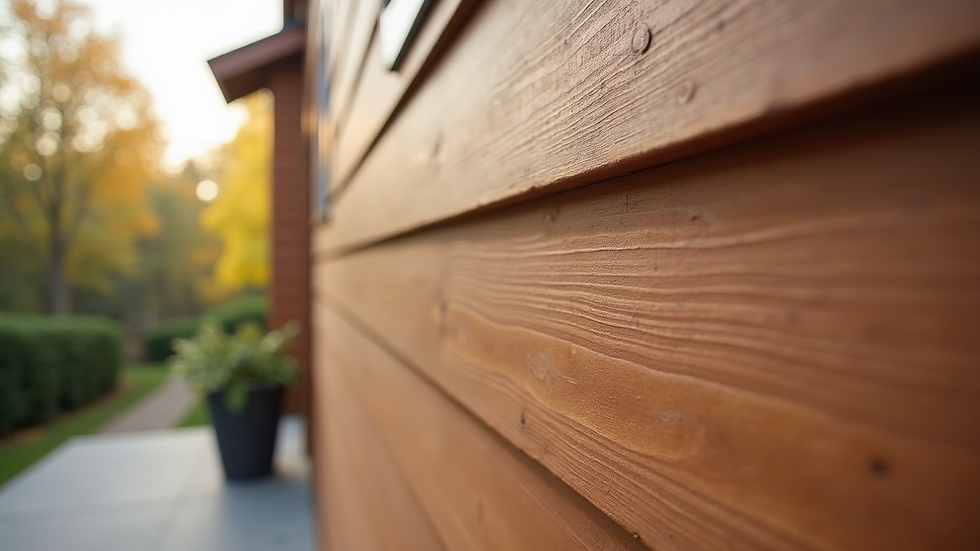
Weather is the biggest enemy of cedar siding. Rain, sun, and wind can cause the wood to crack, fade, or rot. To protect your siding, apply a high-quality sealant or stain every few years. This creates a barrier against moisture and UV rays.
Choose a product designed specifically for cedar. Transparent or semi-transparent stains allow the wood grain to show through while providing protection. Solid stains offer more coverage but hide the natural texture.
Before applying any treatment, make sure the siding is clean and dry. Sand any rough spots or peeling areas to ensure good adhesion. Use a brush or sprayer to apply the stain evenly. Follow the manufacturer’s instructions for drying times and number of coats.
Regular maintenance also includes checking and repairing caulking around windows, doors, and corners. Proper sealing prevents water from seeping behind the siding and causing hidden damage.

What is the Best Treatment for Cedar Siding?
Choosing the best treatment depends on your goals and the condition of your siding. Generally, there are three main options: clear sealers, stains, and paints.
Clear Sealers: These protect the wood without changing its color. They are ideal if you want to preserve the natural look of cedar. However, they may need more frequent reapplication.
Stains: Stains penetrate the wood and offer better protection against moisture and UV damage. Semi-transparent stains are popular because they balance protection with aesthetics.
Paints: Paint provides the most durable protection and color options. But it covers the wood grain and can peel or crack over time if not properly maintained.
For most Pacific Northwest homes, I recommend a high-quality semi-transparent stain. It offers excellent protection against rain and sun while showcasing cedar’s natural beauty. Always test a small area first to ensure you like the color and finish.
Preventing Common Issues with Cedar Siding
Cedar siding can face several common problems if not properly maintained. Here are some issues to watch for and how to prevent them:
Moisture Damage: Keep gutters clean and direct water away from the siding. Avoid planting shrubs too close to the walls to allow air circulation.
Mold and Mildew: Clean siding regularly and treat with a mildew-resistant solution if needed.
Insect Infestation: Inspect for signs of termites or carpenter ants. Use insect-repellent treatments if necessary.
Cracking and Splitting: Maintain a protective finish and repair damaged boards promptly.
Fading and Discoloration: Reapply stain or sealant every 3-5 years to maintain color and protection.
Routine inspections and timely repairs are key to preventing these issues. Addressing small problems early keeps your siding in top shape.
Scheduling Regular Maintenance for Longevity
Consistency is crucial in cedar siding care. Set a maintenance schedule that fits your property’s needs and local climate conditions. Here’s a simple plan to follow:
Spring: Inspect siding for winter damage. Clean off dirt and mildew. Touch up stain or sealant if needed.
Summer: Check for insect activity and repair any cracks or loose boards.
Fall: Clean gutters and downspouts. Remove leaves and debris near the foundation.
Winter: Monitor for ice dams or snow buildup that could trap moisture.
By sticking to this routine, you extend the life of your cedar siding and keep it looking fresh. If you prefer professional help, consider hiring experts who specialize in exterior wood care.
For more detailed advice, you can explore cedar siding maintenance tips that cover all aspects of upkeep.
Enhancing Your Property with Well-Maintained Cedar Siding
Well-maintained cedar siding adds value and curb appeal to any property. It creates a warm, natural look that blends beautifully with the Pacific Northwest environment. Taking the time to care for your siding pays off in durability and aesthetics.
Whether you own a home or manage a commercial building, following these essential tips ensures your cedar siding remains a strong, attractive feature. Regular cleaning, protective treatments, and timely repairs keep your exterior looking its best through every season.
Investing in proper cedar siding care supports the long-term quality and beauty of your property. It also aligns with the goal of delivering exceptional craftsmanship and lasting results in exterior building solutions.
By following these straightforward steps, you can confidently maintain your cedar siding and enjoy its benefits for many years.


Comments